

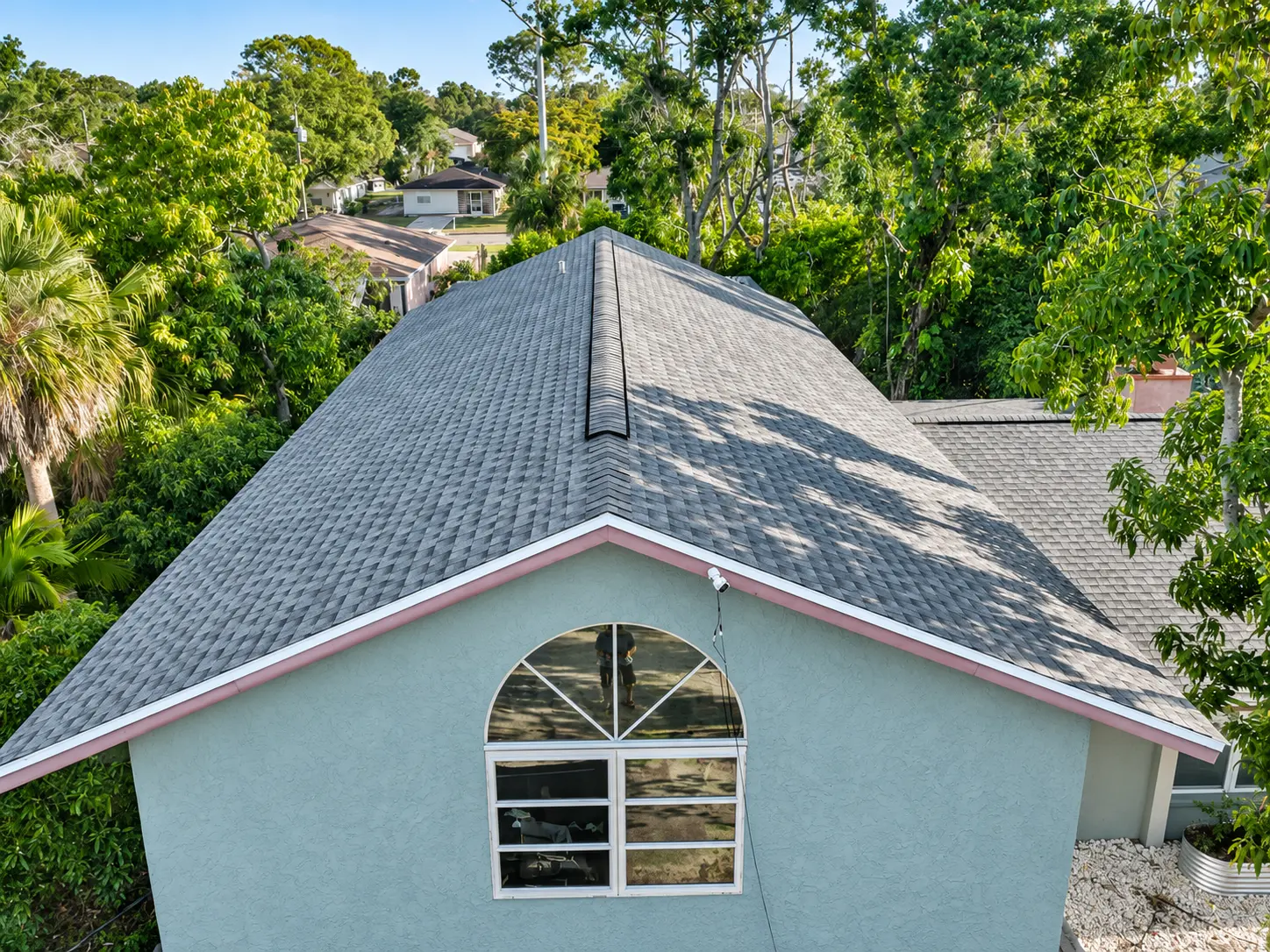
An interior stain, a displaced tile or a worn-looking roof starts a conversation; it does not settle the repair-or-replacement decision. The useful question is whether a defined intervention can address the observed problem within an otherwise serviceable assembly, or whether broader deterioration makes that approach incomplete.
For Florida property owners, a careful assessment should connect visible symptoms to the roof's materials, concealed layers and drainage details. These seven questions help you compare recommendations without relying on a photograph, a roof's age alone or a reassuring verbal promise. Avoid climbing onto the roof yourself; gather records and accessible photographs instead.
1. What is the symptom, and what is the diagnosis?
Water can travel before it becomes visible indoors. A ceiling stain may not sit directly below the entry point, and visible surface damage may not explain the entire leak. Ask what was inspected, what evidence supports the diagnosis and which areas remain inaccessible. Photographs should distinguish observations from assumptions.
Keep a simple record of when the problem appears and whether earlier work changed it. That history helps the assessor investigate; it does not prove a cause. A recommendation should state its limits when concealed conditions cannot yet be seen.
Ask before you decideWhat evidence connects the proposed work to the source of the problem?
2. Is the issue isolated or recurring?
An isolated defect and repeated leaks across different areas raise different planning questions. Repeated patching can leave an owner paying for work without resolving underlying transitions, moisture or deterioration. Ask whether earlier repair records point to one unresolved detail or several unrelated conditions.
Alfa Pacífica's repair focus is commercial property management; its residential roofing service centers on full roof replacement. Residential owners should discuss replacement suitability rather than assume a standalone leak-repair appointment is available. Commercial managers should identify the roof area, tenant impact and prior interventions when requesting an assessment.
3. Which roof layers and details need attention?
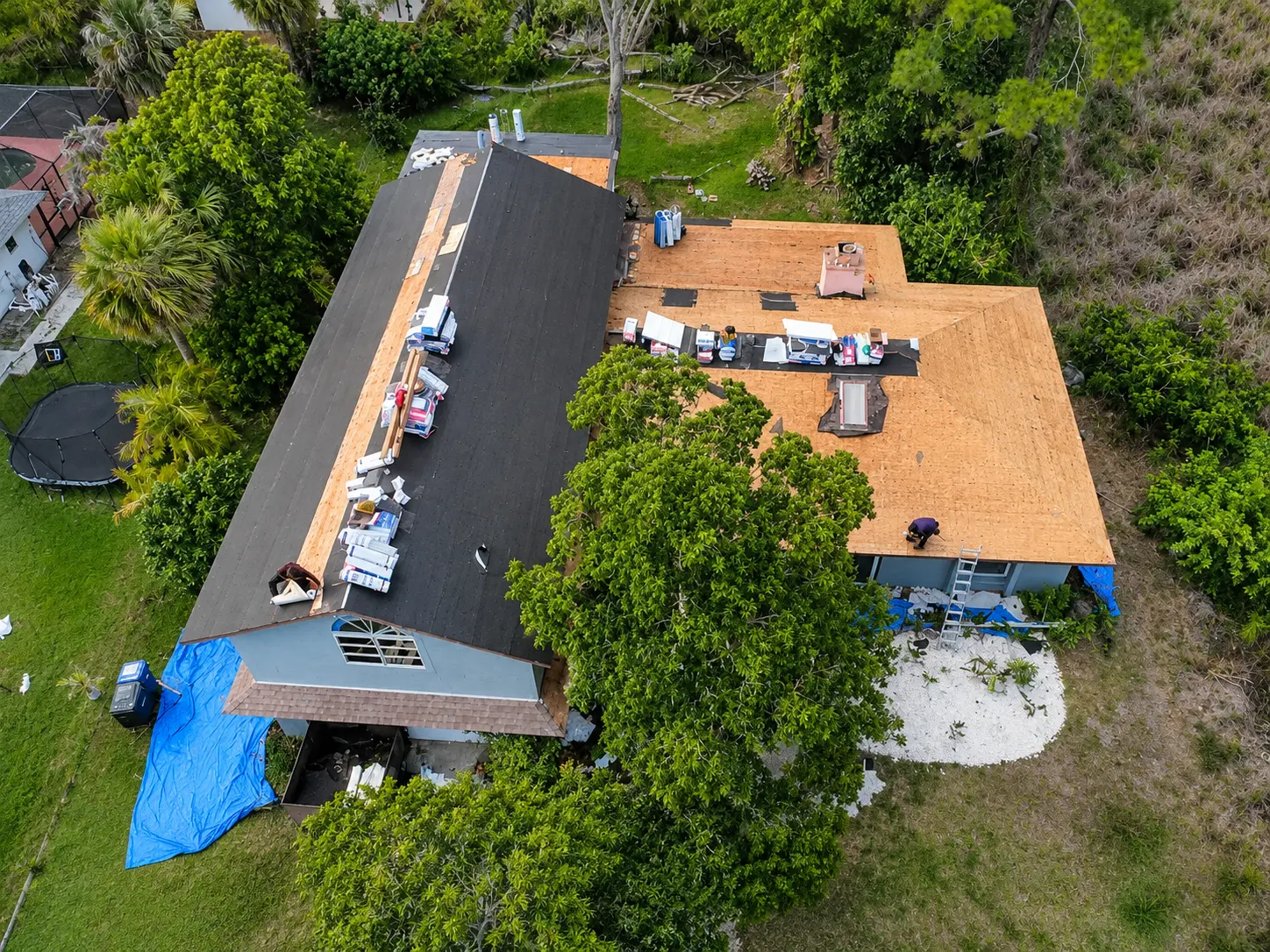
The visible covering is only part of the roof. Flashing manages transitions around walls, edges and penetrations; underlayment sits beneath the covering; decking supports the assembly. A proposal that mentions only new tiles or shingles may leave important questions unanswered.
Ask how the scope treats each component and how concealed decking conditions will be documented if removal exposes them. Do not accept an unsupported claim that every layer is sound—or that every layer must be replaced—before the relevant conditions can be assessed.
4. How widespread is the deterioration?
The scale and distribution of observed deterioration matter more than a single dramatic photograph. Ask the contractor to identify affected areas and explain whether adjacent materials can be integrated into the proposed work. Consider access, existing alterations and areas that could not be inspected.
If replacement is recommended, request the reasoning in plain language. If a limited repair is proposed, ask what remains outside its scope and how future issues in untouched areas would be handled. Neither option should be presented as a guarantee against every future leak.
5. Does the recommendation fit the roof system?
Residential tile and shingle roofs should not be evaluated as though they were commercial low-slope membrane roofs. Tile and shingle assemblies involve their own covering, attachment and transition details. Commercial TPO and modified-bitumen systems bring different questions about seams, penetrations, edges and drainage.
Alfa Pacífica offers residential tile and shingle replacements and commercial TPO and modified-bitumen roofing. Ask for the proposed assembly and material documentation, not merely a product category. A material name alone does not describe how the roof will be integrated with the building.
6. What exactly does the written estimate include?
Compare removal, disposal, materials, flashing, underlayment, decking allowances, access protection and cleanup—not just the total. Ask how unexpected concealed work is authorized and priced before it proceeds. An itemized quote makes exclusions and responsibilities easier to discuss.
Clarify who coordinates required permits and inspections. Miami-Dade County's Roofing Permits page provides roofing forms and details for that jurisdiction; it is not a statewide procedure or a substitute for checking the authority responsible for your address. Municipal and association requirements need property-specific confirmation.
7. What will be documented at handover?
Request the applicable inspection records, material information and written warranty terms. Workmanship coverage and manufacturer coverage are different: one concerns the contractor's work, while the other follows the selected products and their conditions. Ask who receives a concern and what documentation is needed.
Alfa Pacífica provides a 5-year workmanship warranty on roof replacements—not a blanket warranty on every repair—and registers applicable manufacturer warranties. Read the actual terms before deciding. A well-defined scope and closeout record are more useful than broad assurances about how long any roof will perform.
Official references
- Miami-Dade County — Roofing Permits
Official roofing forms and supporting details for Miami-Dade; confirm the permitting authority for your property.
General planning information, not legal, engineering or code advice. Requirements depend on the property and jurisdiction; confirm applicable documentation with the project team and permitting authority.
Discuss the scope for your property.
Start with your address, project priorities and the questions you want answered.